
The future of energy engineering in Europe
Engineering across Europe is facing growing pressure from multiple directions — energy transition, digitalisation, regulatory change, and a shortage of experienced professionals. To better understand how these forces are reshaping everyday engineering work, we spoke with Igor Krupenski, PhD, EUR ING, Professor at Tallinn University of Technology and one of NAVE’s advisors through EnergyMentor.
In this interview, Dr. Krupenski shares his perspective on the key challenges facing energy engineers today, the risks of losing practical engineering knowledge, and why new tools and platforms are becoming essential for keeping the industry competitive.
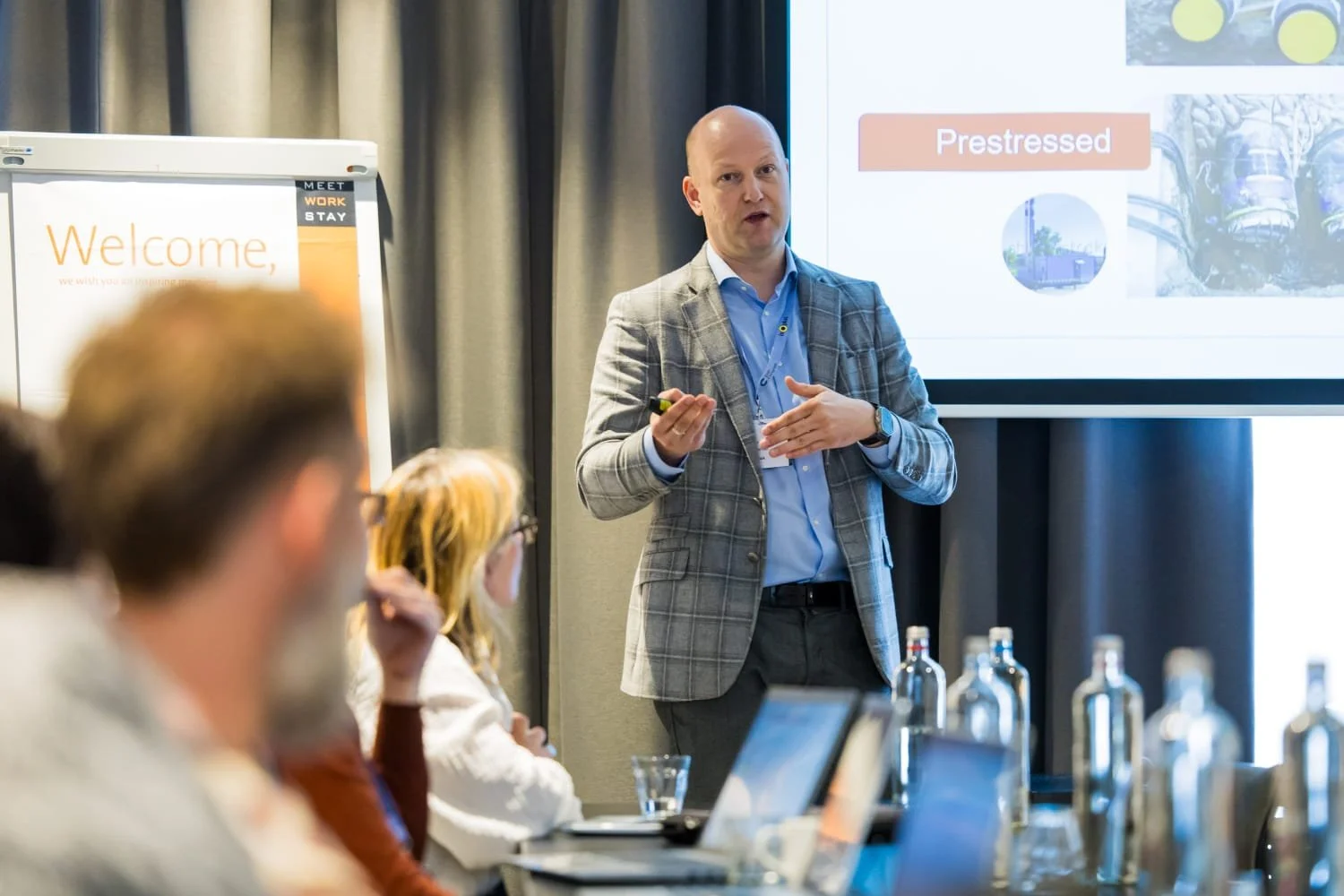
Dr. Igor Krupenski, PhD, Professor at TalTech I Founder at EnergyMentor, Heat Consult & Enerhack / Former president at Estonian Association of Engineers / Vice-Chair of the DHC+ platform at Euroheat & Power
Key challenges facing energy engineers in Europe today
“The main challenges engineers face today are driven by several major transitions happening at the same time: the decarbonisation of energy systems, rapid digitalisation, and constant changes in the regulatory environment.
Engineers are increasingly expected to combine deep technical expertise with system-level thinking. It is no longer enough to understand engineering alone — engineers must also understand energy economics, climate policy, and data-driven solutions.
At the same time, everyday work is under strong time pressure. Projects need to be delivered faster, while quality, responsibility, and safety requirements continue to increase.”
The growing shortage of experienced energy engineers
“Yes, this shortage is very clearly felt. The biggest gap is among experienced engineers — those who can see the full picture and take responsibility from early concept to implementation.
It is particularly difficult to find strong project engineer-managers, system engineers, and experts in energy efficiency, district heating, and industrial energy.
While young specialists are entering the field, the generation that carries experience and responsibility is thinning. I led the largest thermal energy engineering design company in the Baltics, HeatConsult, for more than 15 years, and recruiting new engineers or project engineer-managers was always a major challenge. In many cases, positions remained unfilled simply because there were not enough candidates with the required skills.”
Why knowledge loss is a major risk in engineering
“This is one of the most underestimated risks in engineering. Engineering knowledge does not exist only in calculations, standards, or software. A large part of it is tacit knowledge, built through years of practical experience.
If this knowledge is not transferred, the risk of errors, inefficient solutions, and overdimensioning increases significantly. That is why mentoring, engineering knowledge transfer, and close cooperation between senior and junior engineers are absolutely critical.”
How Estonian engineers can stay globally competitive
“First of all, strong fundamental education and engineering thinking — this is a clear strength in Estonia.
Secondly, international experience and language skills are essential. Thirdly, engineers must be able to work in interdisciplinary teams where engineering, IT, economics, and environmental aspects come together.
And finally, there must be a readiness for lifelong learning. Technologies and tools are evolving faster than ever before, and engineers must evolve with them.”
Why new engineering platforms are becoming essential
“What spoke to me was NAVE’s ambition to make engineering work more visible, flexible, and attractive. Traditional work models no longer suit everyone, and more and more experienced specialists prefer project-based or hybrid ways of working.
New engineering platforms and digital engineering tools help connect engineers with real industry needs and allow knowledge to be applied faster and more efficiently. This is a win both for engineers and for the economy as a whole.
A key factor for me was also NAVE’s founder, Cathy-Liis Põlluveer. I was her lecturer at TalTech, and already during her studies she stood out for her clarity of thinking, determination, and sense of responsibility. Her later career in industry confirmed that she is someone who can actually execute ideas. When it comes to startups, leadership matters — and in NAVE’s case, the answer was clearly yes.”
Why Estonian thermal energy engineers are highly valued internationally
“Sometimes the explanation is very practical. If it is −15°C outside, Estonian thermal energy engineers must ensure that homes stay warm — and do so in a technically and economically optimal way.
These conditions have shaped engineers who are used to working in complex environments and taking responsibility for systems that must function at all times.
On a global scale, I would say Estonian thermal energy engineers are among the strongest, together with our Scandinavian colleagues. This is confirmed by growing international demand. In countries such as France and Spain, where district heating systems are still being developed, Estonian engineers increasingly work as consultants and mentors.
Thermal energy engineering is inherently systemic. It forces engineers to think holistically — from physics and thermodynamics to infrastructure, consumers, and economics. Solutions must work 24/7 for decades. This builds responsibility, decisiveness, and the ability to manage complex systems — qualities that are valued far beyond this specific field.”
About EnergyMentor
EnergyMentor connects advanced technologies with practical engineering expertise to help cities and utilities build efficient, reliable, and sustainable energy networks. The company is an official representative in Estonia and the Baltics of leading European manufacturers and technology providers in the district heating and district cooling sector. Its team brings together senior engineers and energy professionals with decades of hands-on experience in energy efficiency and sustainable infrastructure.
About NAVE
NAVE is a B2B SaaS platform for engineering workflow automation, helping energy engineering and science companies digitalise technical know-how and automate workflows — from raw data to engineering concepts, simulations, calculations, and budgeting. NAVE enables teams to work faster, reduce manual effort, and preserve critical engineering expertise inside the organisation.
Interested in how NAVE works with engineering organisations and industry partners?
